


How do we CUT THROUGH THE NOISE and sustain our commitment to reach and teach all students?
The following resource is an invitation to pause, to ask thoughtful questions, and to engage in ongoing reflection and dialogue. At its core, this resource is grounded in the belief that equity is about increasing access and decreasing barriers, and that inclusive education is a process rather than a destination. When we design learning with care, center student voice and identity, and value multiple ways of knowing and being, we move closer to classrooms where students do not simply comply or survive—but belong, participate, and flourish. We hope that this resource supports you in that work, one reflective moment and one intentional shift at a time. The questions and tools included here are meant to be used flexibly: in individual planning, collaborative conversations, professional learning spaces, or moments of quiet reconsideration after a long day. They honor the reality that teachers work within constraints, while also recognizing the power educators hold to shape more just, joyful, and responsive learning environments.
An equity lens is not about perfection or compliance. It is about noticing barriers, honoring learners, and making thoughtful choices—one moment at a time.
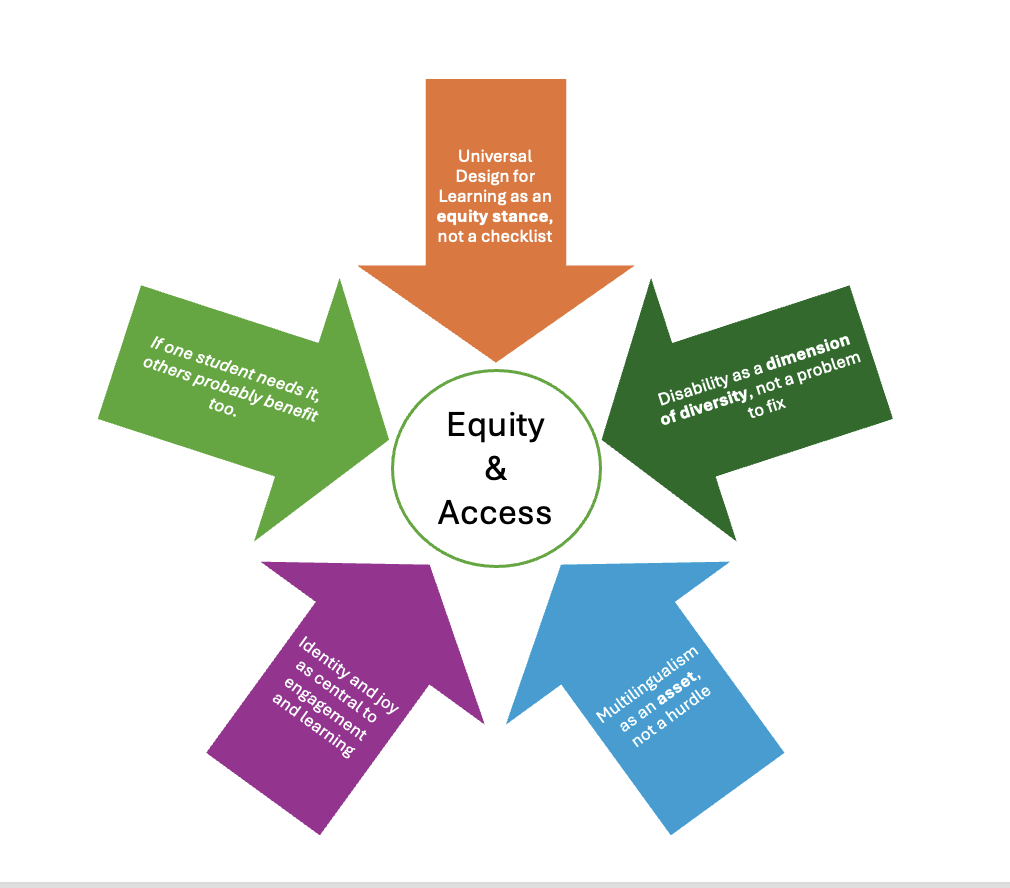
At the heart of teaching and learning…
Teaching is complex, relational, and deeply human work. In classrooms shaped by diverse identities, languages, abilities, histories, and experiences, questions of access and equity are not add-ons; they are at the heart of teaching and learning. These resource pages are designed to support educators in noticing where barriers exist, reflecting on how systems and practices shape opportunity, and making intentional choices that expand participation and belonging for all learners.
What does Equity & Access actually look like in my classroom—not just in theory, but in daily practice?
See the following teacher vignettes that show small, but intentional shifts in practice and answer the following reflection questions:
-
Description text goes here
-
Description text goes here
-
Description text goes here
-
Item description
Strategies for Ensuring Educational Equity and Access
-
![]()
Relationships, Power, and Voice
Whose voices are most heard in classroom discussions? Whose are missing?
How do power dynamics show up between teachers and students, or between school and families?
In what ways are students invited to co-construct learning, rules, or assessments?
How do we respond when students resist, disengage, or challenge us—what stories do we tell about them?
-
![]()
Disability, Difference, and Belonging
How do we distinguish between a student’s needs and the barriers created by the system?
What does true inclusion look like beyond placement in a general education classroom?
How do I design learning so accommodations are not “add-ons” but built in from the start (UDL lens)?
Whose expertise is valued in conversations about students—families, paraprofessionals, students themselves?
How do deficit narratives show up in IEP meetings, referral processes, or staff conversations?
-
![]()
Language, Culture, and Identity
How are multilingual learners positioned—as developing bilinguals or as students “lacking” English?
How do we honor home languages and cultural knowledge within academic spaces?
What happens when curriculum or classroom norms conflict with students’ cultural ways of knowing and being?
How do we create classrooms where students don’t have to choose between belonging and achievement?
-
![]()
Access to Curriculum & Instruction
Who has access to grade-level content, and under what conditions?
How do instructional materials reflect (or erase) students’ cultures, languages, identities, and lived experiences?
Are students with disabilities, multilingual learners, and marginalized students experiencing meaningful access—or just physical inclusion?
How do pacing guides, standardized curricula, or scripted programs limit or support equitable instruction?
What does “rigor” mean when students engage in learning in different ways?
-
![]()
Assessment, Grading, and Accountability
Who is advantaged—and who is harmed—by our current assessment practices?
How do grading policies reflect compliance, behavior, or access to resources rather than learning?
What alternatives to traditional testing allow students to demonstrate understanding in more equitable ways?
How do high-stakes assessments shape instructional decisions and student identities?
How can assessment be used as a tool for learning rather than sorting?
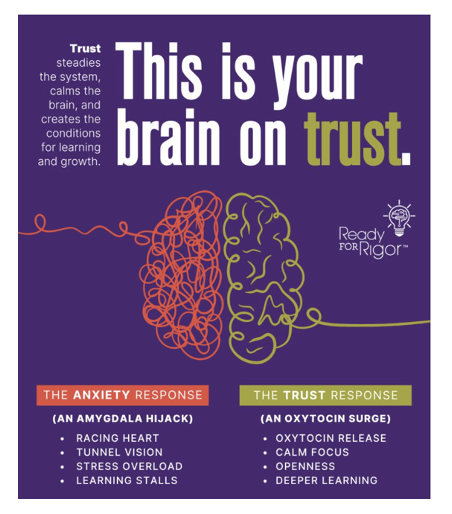


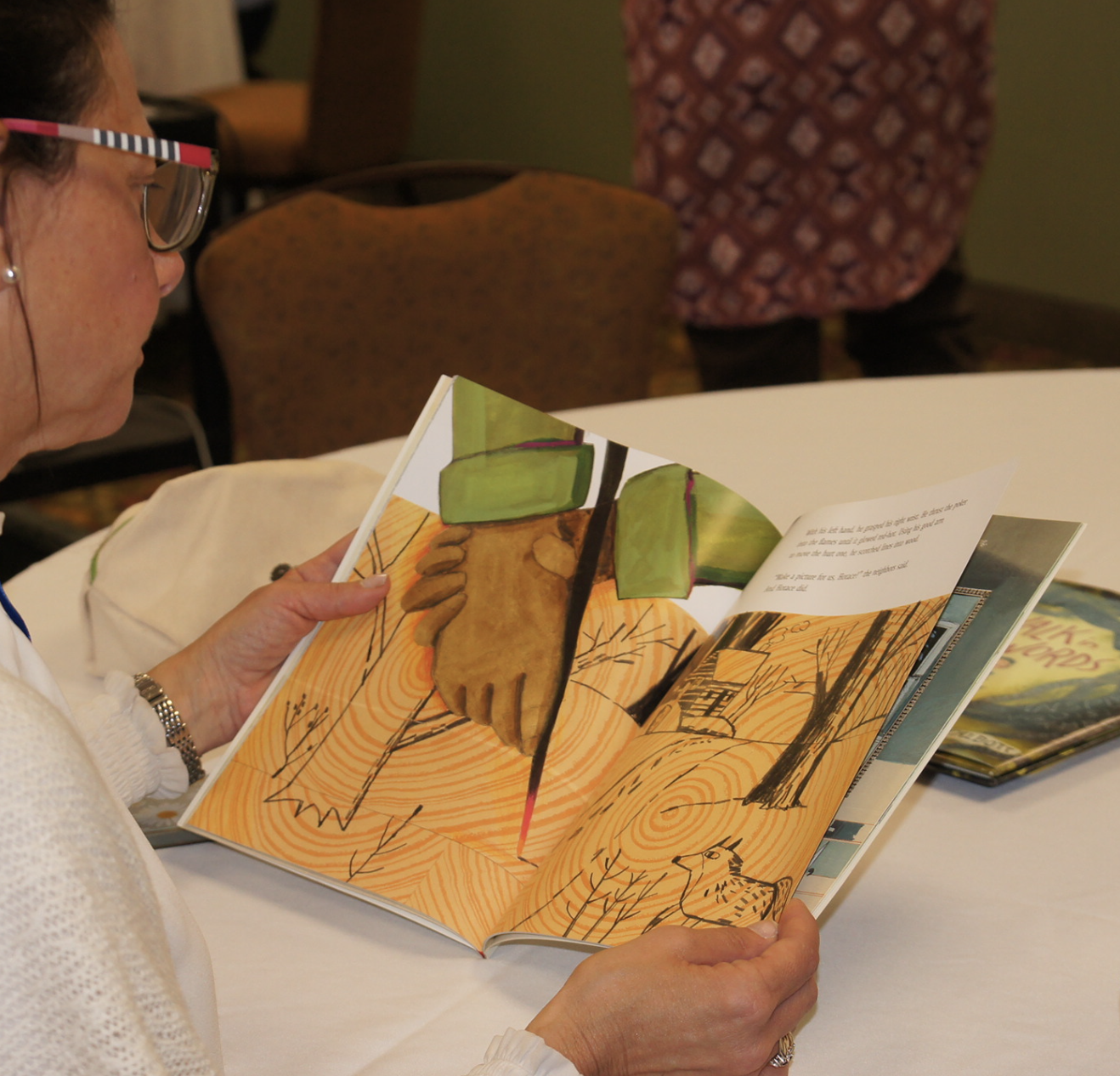

How do we measure success in ways that honor growth, creativity, and well-being?
What small shifts could make a big difference in students’ sense of belonging tomorrow?
How can we hold ourselves accountable to equity while still allowing space for learning, mistakes, and growth?
Knowing the connection between equity and access casts light on school education dynamics. Equity in education calls for equal opportunities for every student. For this, we need fair resources and inclusive practices that honor and adjust to varied viewpoints. Yet, achieving this fairness involves confronting systemic obstacles that often uphold disparities in funding.
Such inclusive practices should include community participation, making sure that a range of voices shape educational policies. More than merely opening school doors to everyone, we must ensure learners have the right support to flourish within. This support spans from academic assistance to cultural competency, understanding, and utilizing the wealth that diversity brings.
In contrast, access refers to the provision of quality education for everyone, regardless of socio-economic or cultural origins. Here, the overlap with equity becomes clear. Without equity, access can lead to shallow inclusion, where learners are present but their specific needs are unfulfilled..

Start to Notice:
Who can engage without asking for help?
Who needs to code-switch to be successful?
Who bears the cognitive or emotional load?
What access barriers might be present?
Whose ways of knowing are being privileged?
What instructional shifts could redistribute voice?