

Could Trauma Be Affecting Learning?
Have you ever had a student who seemed constantly on edge—quick to react, easily overwhelmed, or unable to focus—despite your best efforts to support them?
Or perhaps a student who appears physically present in class but emotionally distant, disengaged, or withdrawn?
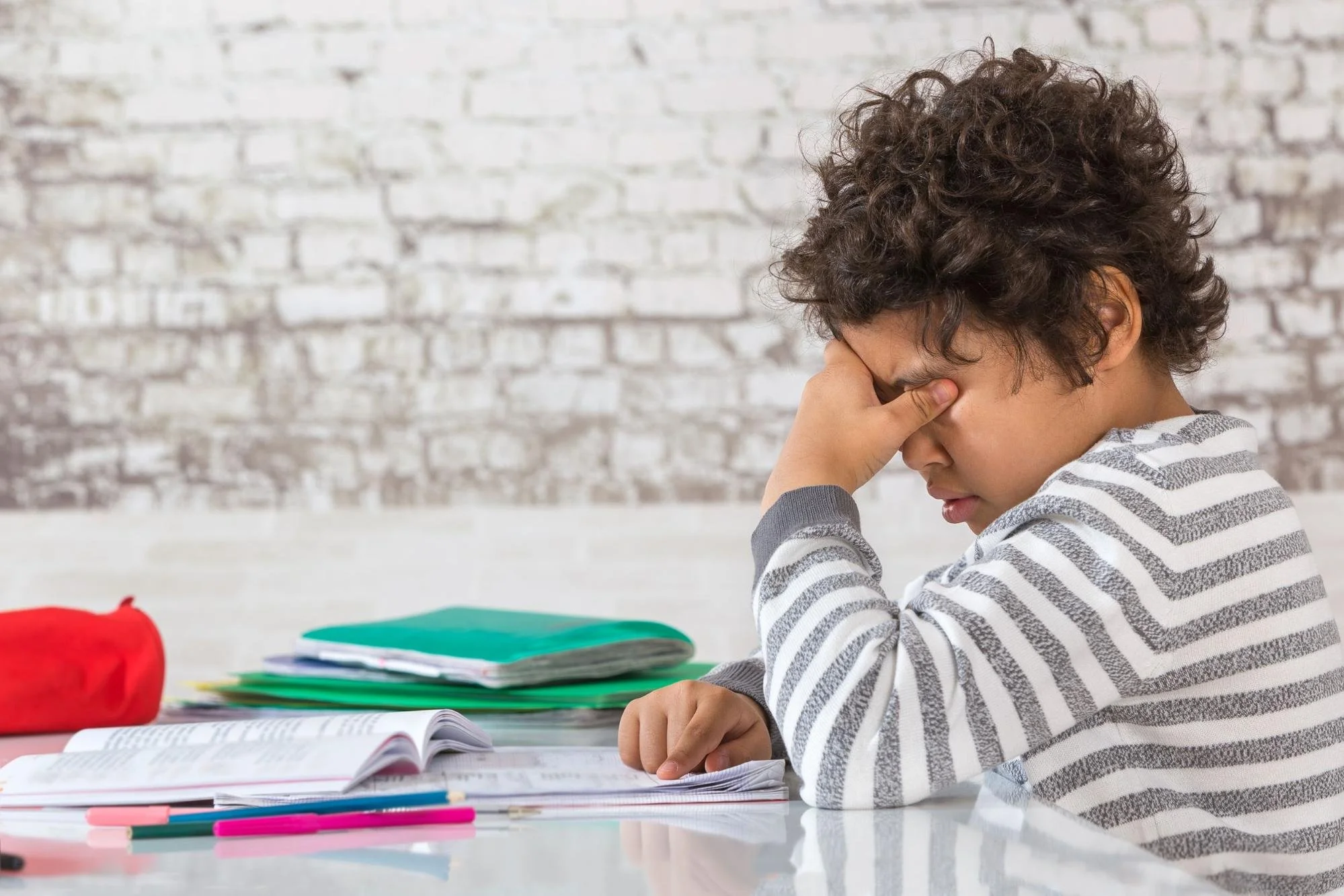
When Behavior Doesn’t Match Expectations
…it can be easy to assume a student is unmotivated, inattentive, or even oppositional. Yet for many students, these behaviors may reflect something else entirely: the functional impacts of traumatic experiences on learning and development.
Read on as Joe Ristuccia of the Lesley Institute for Trauma Sensitivity answers this important question and describes how to create equitable, inclusive, and trauma-sensitive learning environments where all students can succeed.
Understanding Trauma as a Response
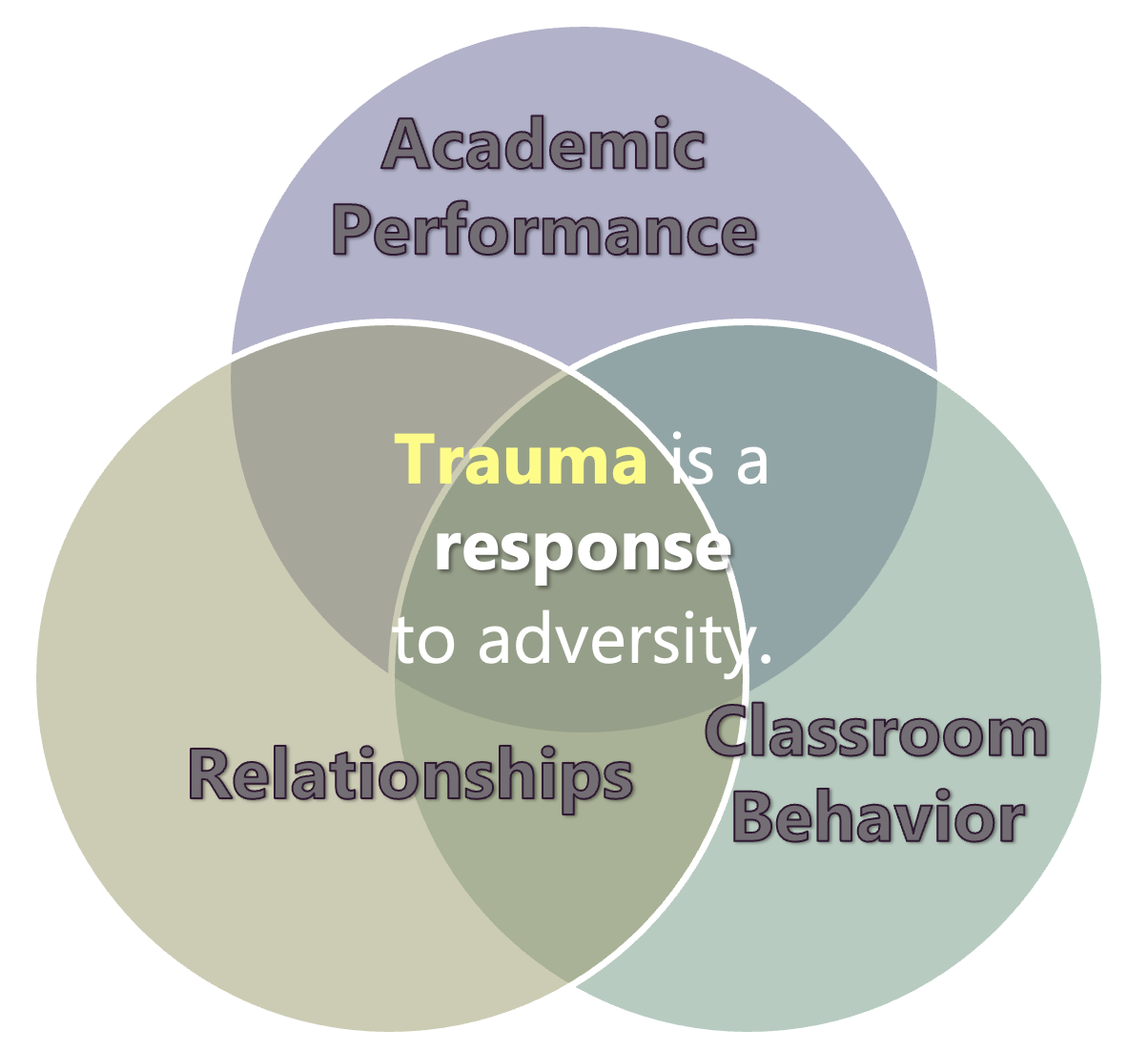
Trauma is often misunderstood as the event itself. In reality, trauma is a response to a deeply distressing or disturbing experience that overwhelms an individual’s ability to cope and creates feelings of helplessness or fear.
A critical part of this definition is that trauma is a response, not simply an event. What is overwhelming for one child may not be experienced the same way by another. A child’s response depends on many factors, including:
Developmental stage
Prior experiences
Coping skills
Relationships with supportive adults
Connections to family and community
The nature and context of the event itself
Consider a simple example. Imagine unexpectedly falling into a lake. Your response would likely be very different if you knew how to swim than if you did not. It might also feel very different if you were surrounded by supportive friends rather than being completely alone.
In much the same way, children’s responses to adversity depend on the supports, skills, and relationships available to them.

How Traumatic Experiences Can Affect Learning
Traumatic experiences can influence many areas of functioning that are essential for success in school. These impacts may appear in areas such as:
Academic learning and processing
Self-regulation and emotional control
Executive functioning and attention
Language processing
Relationship development and trust
As a result, some students arrive at school without the developmental skills typically expected for classroom learning. A student who struggles to regulate emotions, sustain attention, or trust adults may appear resistant to instruction when they are actually managing the lingering effects of stress and adversity.
From a trauma-sensitive perspective, these challenges are not signs of unwillingness to learn—they are signals that additional support may be needed.
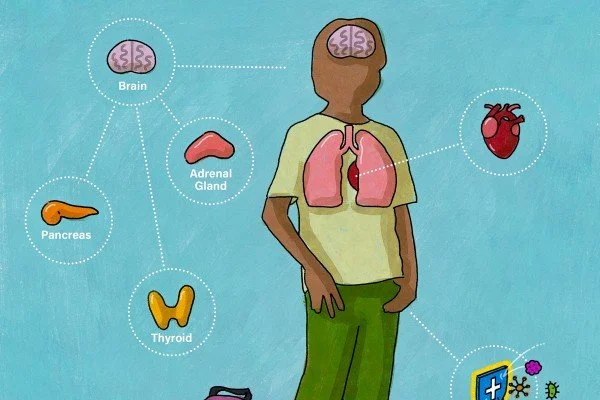
From https://hrl.nyc/node/trauma Children’s Health Fund
Adaptation: The Body’s Way of Coping
Many of the behaviors educators observe in students affected by trauma are not intentional misbehavior. Rather, they are adaptive responses that develop as children learn to cope with difficult environments.
These adaptations might include:
Heightened vigilance or strong reactions to perceived threats
Difficulty focusing attention
Restlessness or agitation
Withdrawal or emotional disengagement
Difficulty trusting peers or adults
These responses can be understood as the body’s effort to stay safe. In environments where uncertainty or stress is common, being alert, guarded, or reactive can serve a protective function.
However, these adaptations do not always align easily with the expectations of a classroom environment that requires sustained attention, cooperation, and emotional regulation.
Without an understanding of trauma’s impact, educators may misinterpret these responses as character flaws or intentional disruptions.

When Misunderstanding Leads to Disconnection
When students’ adaptive responses are misunderstood, they may experience repeated correction, discipline, or exclusion. Over time, this can create a widening gap between the student and the school community.
Students who experience repeated academic or behavioral struggles may begin to internalize a message that they do not belong in school.
Disconnection from school relationships and learning opportunities can follow. When students do not find belonging within the school community, they often seek it elsewhere.
Trauma-sensitive schools work intentionally to interrupt this cycle by prioritizing connection, predictability, and supportive relationships.
A Trauma-Sensitive Lens for Educators
The LIfTS framework emphasizes that safe, equitable, and inclusive schools are built when educators understand how experiences outside the classroom influence students’ ability to learn.
This perspective encourages a powerful shift in thinking.
Instead of asking:
“What is wrong with this student?”
Educators begin to ask:
“What might this student be experiencing, and what support might help them succeed?”
This shift moves schools toward practices that emphasize:
Predictable routines and supportive structures
Opportunities for emotional regulation
Strong, trusting relationships with adults
Inclusive learning environments where every student feels seen and valued
Whole-child approaches that support both academic and social-emotional development
These strategies do not lower expectations. Rather, they create the conditions that allow students to re-engage with learning and rebuild their sense of belonging in school.
Why This Matters
For many children, school can become the most stable and supportive environment in their lives. When educators understand how traumatic experiences influence behavior, attention, and relationships, they can respond in ways that foster safety, connection, and growth.
In trauma-sensitive schools, behavior is not simply managed—it is understood. And understanding creates the possibility for students to move beyond survival toward engagement, learning, and success.
Want to Learn More?
Check out the Lesley Institute for Trauma Sensitivity’s courses on the Impact of Trauma on Learning!