

How Can I Support Students Impacted by Trauma?
If traumatic experiences can shape how students engage with learning, relationships, and behavior, an important question follows:
What can we do—right now, in our classrooms and schools—to better support them?
Read on as Joe Ristuccia of the Lesley Institute for Trauma Sensitivity suggests beginning with a shift in perspective.
Supporting students impacted by trauma is not about adding one more initiative or program. It is about expanding how we understand learning and broadening the range of supports we intentionally design into our classrooms and school communities.
Start with the Whole Child
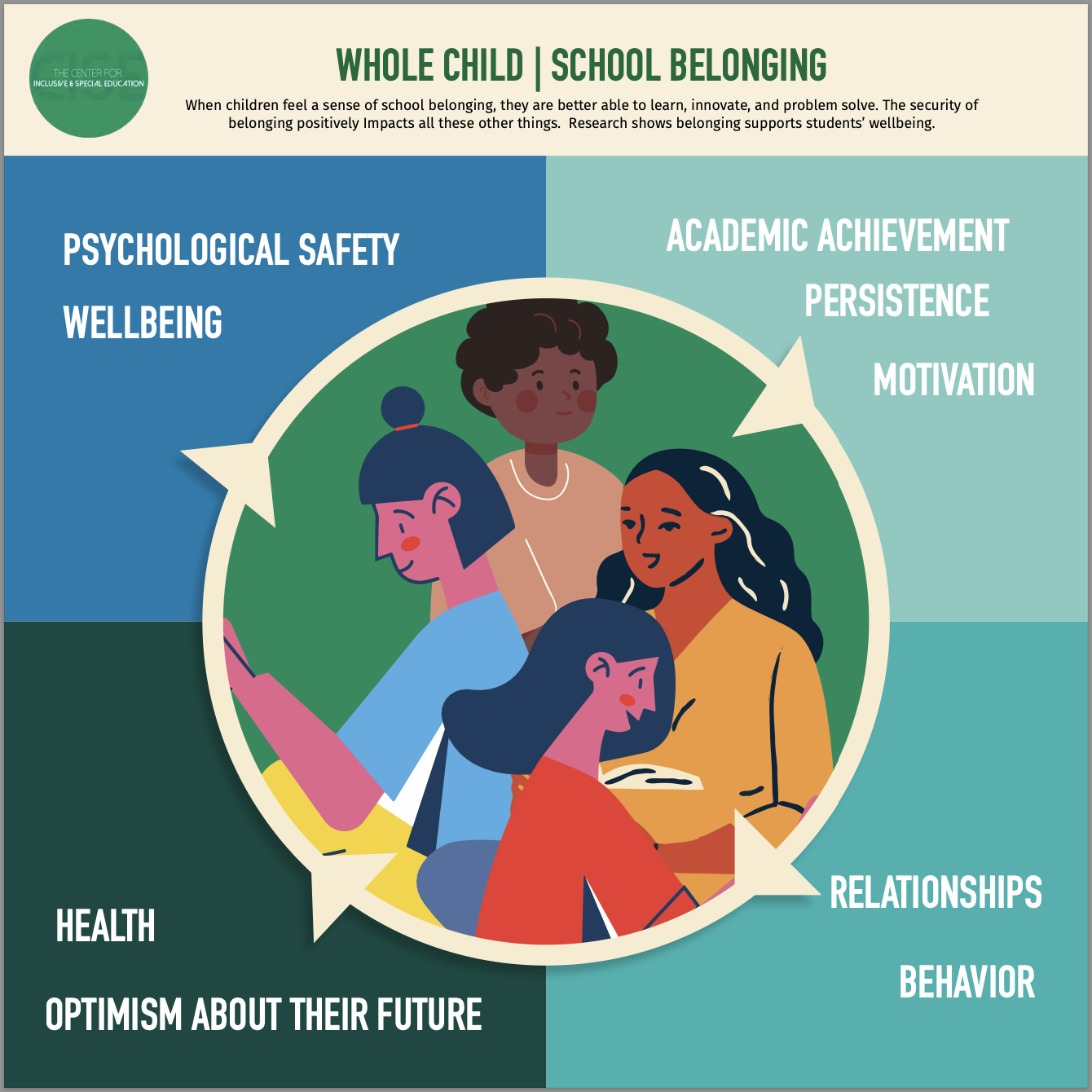
A trauma-sensitive approach begins with recognizing that students bring their whole selves into the classroom each day.
The Whole Child framework reminds us that learning is shaped not only by academic skills, but also by:
Social relationships and peer networks
Self-regulation and emotional development
Physical health and well-being
Sense of safety, connection, and belonging
These elements are deeply interconnected. A student’s ability to engage in learning can be influenced as much by their sense of belonging or emotional state as by their academic readiness.
For example, a student who feels unsafe or disconnected may struggle to focus. A student who is hungry, tired, or overwhelmed may not be able to access the curriculum in meaningful ways.
When we adopt a Whole Child lens, we expand our understanding of what supports learning—and, importantly, how we can intervene.
Move Beyond “Either/Or” Thinking
Academic supports—high-quality curriculum, strong instruction, and sufficient time for learning—remain essential. However, they are not sufficient on their own.
A trauma-sensitive approach asks us to move beyond “either/or” thinking:
It is not academics or relationships
It is not instruction or regulation
It is not compliance or creative freedom
It is not compassion or rigor
It is both.
We strengthen student learning when we intentionally integrate academic, social-emotional, and environmental supports. In practice, this might mean:
Teaching self-regulation strategies alongside academic content
Embedding opportunities for collaboration and peer connection
Ensuring basic needs (e.g., food, comfort, movement) are addressed within the school day
This integrated approach reflects the reality that learning is both a cognitive and relational process.
Prioritize Belonging as a Foundation for Learning
A consistent finding across research and practice is that a sense of belonging is a powerful protective factor for students who have experienced adversity.
When students feel:
Known
Valued
Safe
Connected
they are more likely to engage, take risks in learning, and persist through challenges.
Schools have long-established systems for addressing individual student needs—such as tiered support systems and special education services. However, trauma-sensitive practice calls attention to something equally important: the environment in which those supports exist.
A student’s experience of school climate and classroom culture can either strengthen or undermine the effectiveness of any intervention.
Build Trauma-Sensitive Learning Environments
Creating trauma-sensitive schools is not primarily about identifying which students have experienced trauma. Instead, it is about designing environments that are safe, predictable, and supportive for all students.
This includes:
1. Establish Predictability and Consistency
Clear routines, transparent expectations, and consistent responses help reduce uncertainty and support regulation.
2. Create Emotionally Safe Classrooms
Students need to feel safe not only physically, but also emotionally. This includes minimizing shame-based responses and fostering respectful interactions.
3. Teach and Model Self-Regulation
Self-regulation is a skill that can be taught and practiced. Providing strategies such as breathing techniques, movement breaks, or quiet spaces supports students in managing their emotions.
4. Center Relationships
Strong, trusting relationships with adults are foundational. Simple practices—greeting students by name, checking in, listening—can significantly impact students’ sense of connection.
5. Foster Inclusive Communities of Belonging
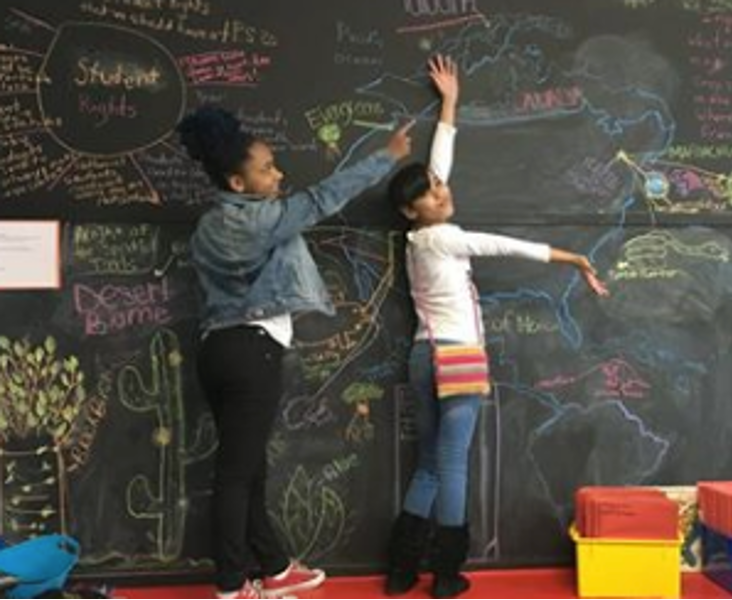
Classrooms should be spaces where all students see themselves reflected, valued, and included. Opportunities for student voice and collaboration strengthen this sense of community.
Shift the Role of the Educator
In trauma-sensitive classrooms, the role of the educator expands.
In addition to delivering content, educators:
Create conditions for safety and engagement
Interpret behavior through a developmental lens
Respond to students with curiosity rather than judgment
Build bridges between students and the school community
This does not mean lowering expectations. Rather, it means removing barriers to learning so that all students can meet those expectations.

A Collective Effort
Addressing the impacts of trauma is not the responsibility of any one teacher. It is a collective effort that involves:
Shared language and understanding across staff
Alignment between classroom practices and schoolwide systems
Attention to adult well-being and support
Ongoing reflection on equity, inclusion, and access
When schools commit to this work, they move beyond isolated interventions toward coherent, trauma-sensitive systems.
Moving Forward
When we expand our focus from solely “fixing” individual students to strengthening the environments in which they learn, we create new possibilities.
Trauma-sensitive, whole-child approaches remind us that:
Learning is relational
Behavior is communication
Belonging is foundational
By intentionally designing classrooms and schools that reflect these principles, we create spaces where all students—not just those impacted by trauma—can engage, connect, and thrive.
Want to learn more?
Check out the Lesley Institute for Trauma Sensitivity’s courses on the Impact of Trauma on Learning!