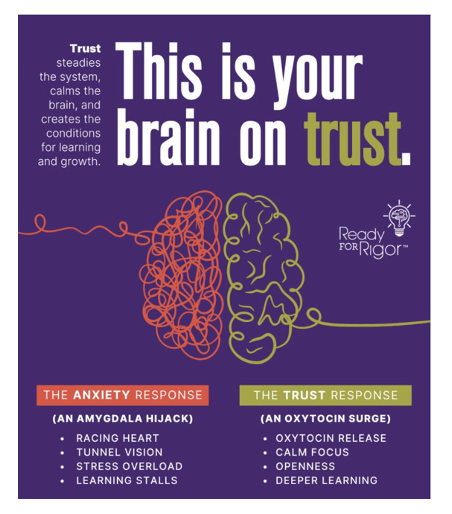
Stress is worse than you think!

Understand The Impact Of Chronic Stress And Trauma On Learning
How does chronic stress impact our students at the university?
Trouble forming relationships
Poor self-regulation
Negative thinking
Hypervigilance
Executive function challenges
We might notice these behaviors:
procrastination
not sleeping
doomscrolling
drugs
drinking alcohol
missing classes
Helpful Resouces
How Trauma and PTSD Change the Brain https://www.youtube.com/watch?v=wdUR69J2u6c
van der Kolk, B. A. (2014). The body keeps the score: Brain, mind, and body in the healing of trauma. Viking.
Siegel, D. J. (2010). Mindsight: the new science of personal transformation. New York: Bantam Books.
Shapiro, F (2010). Getting Past Your Past : Take Control of Your Life with Self-Help Techniques from EMDR Therapy. Rodale.
Understanding ACEs with Dr. Nadine Burke Harris https://www.youtube.com/watch?v=Hh1idR1XkC4
Understanding ACEs
with Dr. Nadine Burke Harris
Strategies for supporting students
De-escalate with Understanding and Co-regulation
Listen and Build a Trusting Relationship
Create a Predictable Routine
Teach Self-Regulation Techniques
Connect to Resources.