

Teaching the Whole Child
In today’s classrooms, teaching is about far more than delivering content. To truly learn, students must first feel seen, heard, valued, and safe. Learning does not happen in isolation from emotion, identity, culture, or lived experience. It happens through relationships, belonging, curiosity, and trust.
Teaching the whole child recognizes that academic achievement and human development are deeply connected. Students thrive when classrooms become places of psychological safety where mistakes are part of learning, voices matter, and every learner feels a sense of belonging. When students know they are cared for and respected, they are more willing to take risks, engage deeply, and persist through challenges.
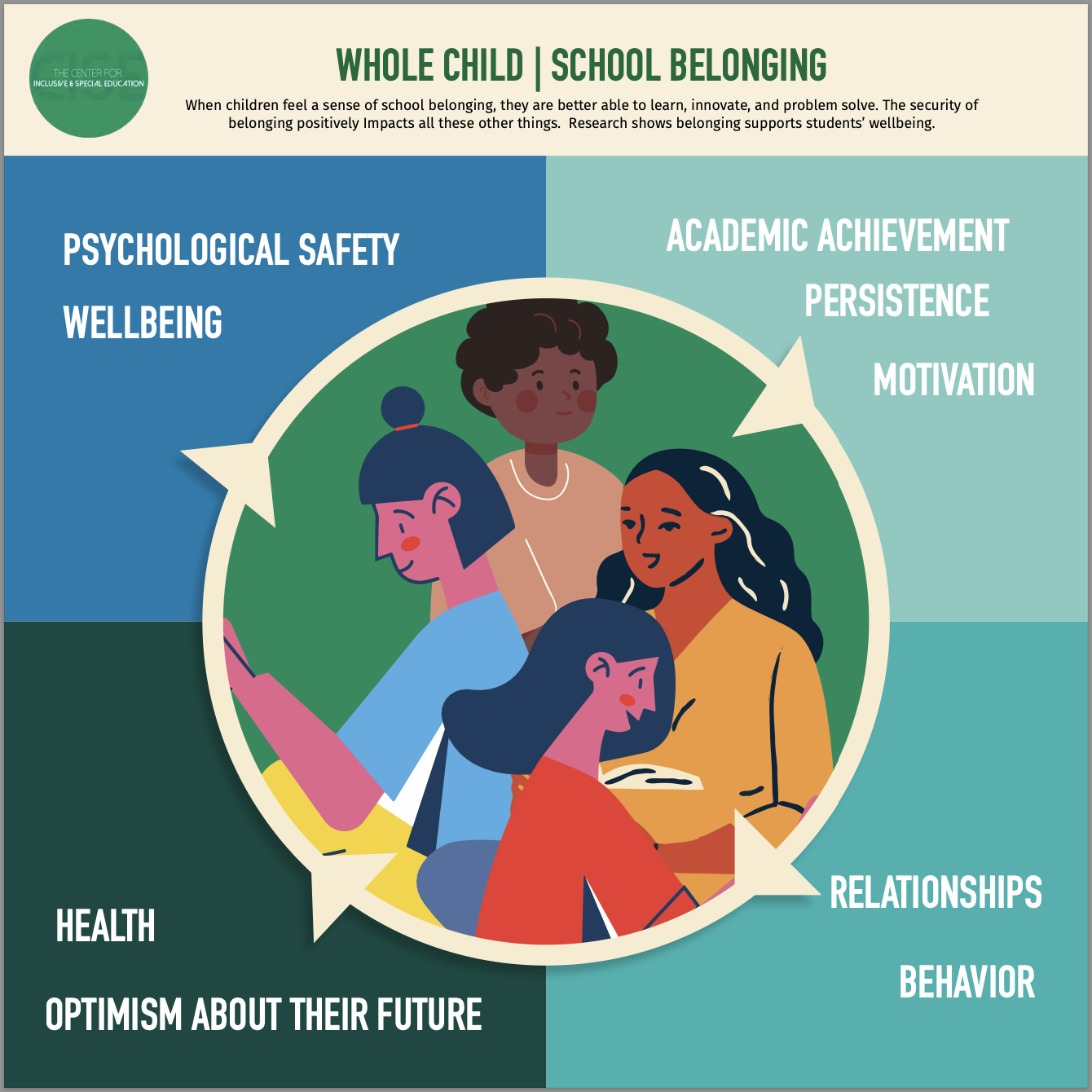
Whole-child teaching asks educators to move beyond seeing students only through academic performance or behavior. It invites us to understand learners as complex human beings shaped by culture, language, family, community, identity, strengths, and experiences—including experiences of stress or trauma. A trauma-sensitive lens helps educators recognize that behavior often communicates unmet needs rather than defiance. Inclusive practices ensure that all students, particularly those historically marginalized, experience dignity, access, and meaningful participation in learning.
At the heart of whole-child teaching is a commitment to culturally and linguistically responsive learning experiences. Curriculum should not simply ask students to memorize disconnected facts; it should invite them into joyful, engaging, and relevant learning that reflects the richness of their identities and communities. Students deserve opportunities to see themselves in the curriculum while also learning to understand perspectives different from their own.
Suggested reading: Unearthing Joy by Gholdy Muhammad
Powerful learning experiences
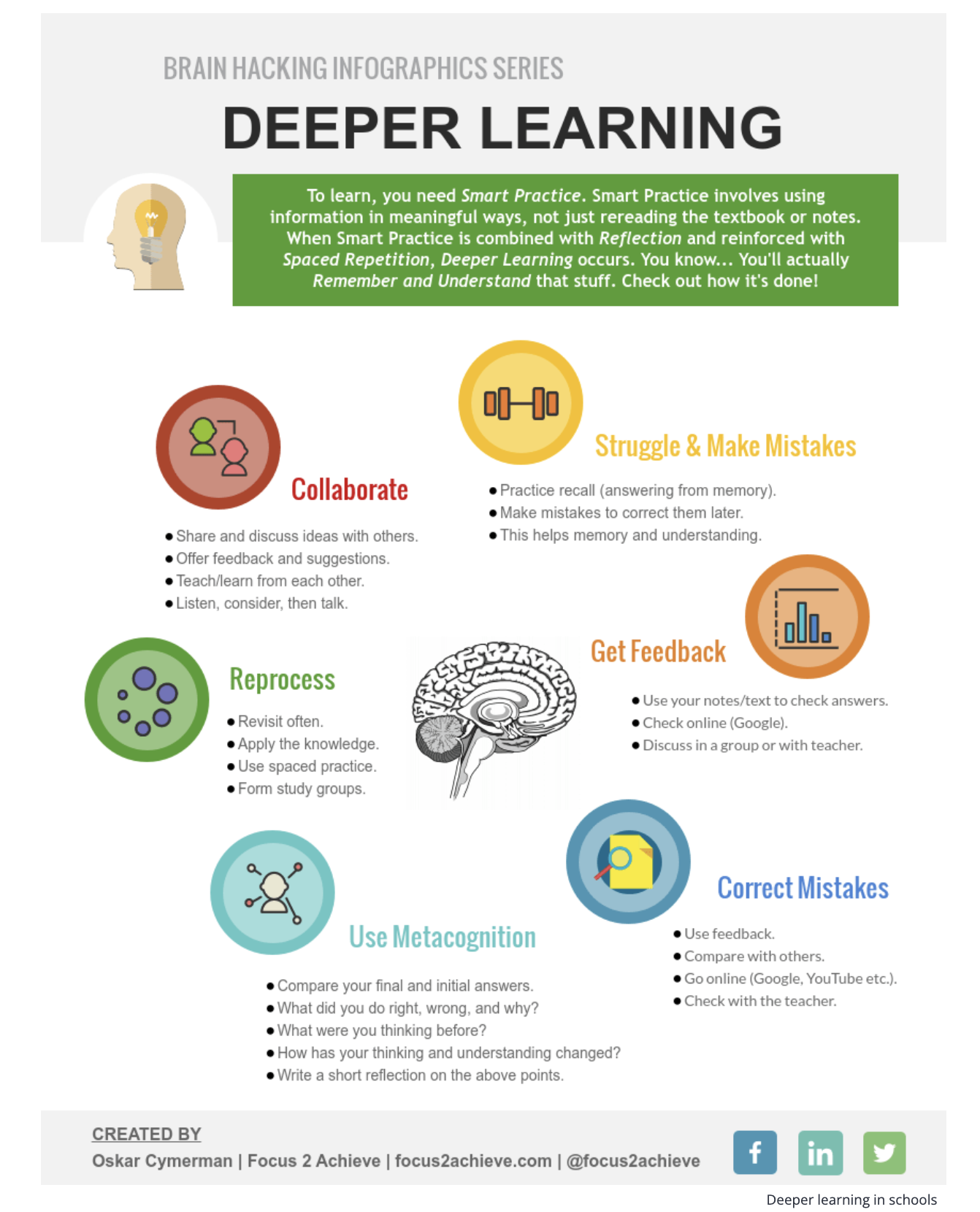
Powerful learning experiences engage students in meaning-making, inquiry, and authentic application of knowledge. Learners connect new ideas to prior experiences, examine concepts from multiple perspectives, ask meaningful questions, and apply understanding to real-world issues. They are encouraged not only to consume knowledge, but to create it—to think critically, solve problems collaboratively, and imagine possibilities for a more just and compassionate world.
Teaching the whole child also means recognizing that learning is relational and reflective. Students learn best in communities where they are trusted contributors and active participants. They need opportunities to think, feel, discuss, create, and act. In these environments, students are not passive recipients of information; they are valued members of a community of thinkers, collaborators, and citizens.
When educators teach the whole child, they nurture both academic excellence and human flourishing. They create classrooms where rigor and compassion coexist, where diversity is celebrated as a strength, and where learning becomes purposeful and transformative.
“If we’re not centering children’s humanity through love, there’s no strategy, no professional book or instructional method in the world that can prepare the teacher to elevate the child. ”
Ultimately, teaching the whole child is an act of hope. It is a belief that every student deserves not only to succeed academically, but also to experience belonging, joy, voice, and the opportunity to become fully themselves.