

Behavior as Communication
“Sometimes healing begins with one adult who chooses to see the child before the behavior.”
Looking Beyond Behavior to See the Child
Every educator has encountered it.
The student who shuts down when asked to read aloud.
The child who explodes over a small correction.
The teenager who seems disconnected, distracted, or indifferent no matter how hard we try to engage them.
Too often, these behaviors are interpreted as defiance, laziness, disrespect, or lack of motivation. But what if the behavior is not the problem? What if the behavior is communication?
A trauma-sensitive whole-child approach asks us to shift the question from:
“What is wrong with this student?”
to
“What has this student experienced, and what do they need to feel safe enough to learn?”
Repair over Punishment
Connection over Compliance
Curiosity over Control

Repair
•Time-in (adult stays nearby)
•Collaborative problem-solving
•“Let’s fix this together”
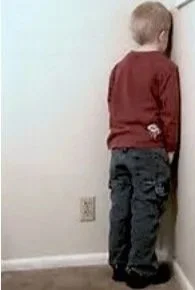
Punishment
•Time-out isolation
•Removal of play
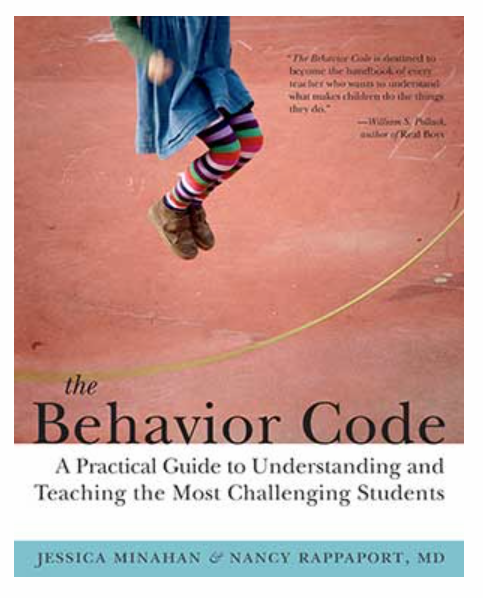
We suggest The Behavior Code to help create a systematic approach for deciphering causes and patterns of difficult behaviors and how to match them with proven strategies for getting students back on track so they can learn effectively.
🌱 Regulation of Behavior
Develop students’ self-awareness
Clear and consistent expectations and consequences
Provide students with strategies and a plan that rewards using strategies
Provide vocabulary for talking about feelings
Offer a limited number of choices
Quiet or “Chill” zone for students to calm down
Scheduled breaks-Physical activity (Walks, etc.)
Use school resources to develop student social skills
Debrief incidents as a learning tool
Clean Slate-When the structured/expected response to the student’s behavior is complete, the “Slate is wiped clean”; like hitting the reset button
AVOID: Raising your voice, engaging in a power struggle; Embarrassing the child in front of the class