

Trauma-Sensitive Teaching: Creating the Conditions for Learning
Every learner enters a classroom carrying a story. Our students bring their identities, languages, cultures, relationships, experiences, strengths, hopes, and challenges with them into the learning environment. Some may also carry the effects of trauma, stress, exclusion, or experiences that have disrupted their sense of safety and belonging.
“Before learners can fully engage in learning, they need to experience the conditions that make learning possible.”
Students need to know that they are safe, that they belong, that they are capable, and that their voices matter.
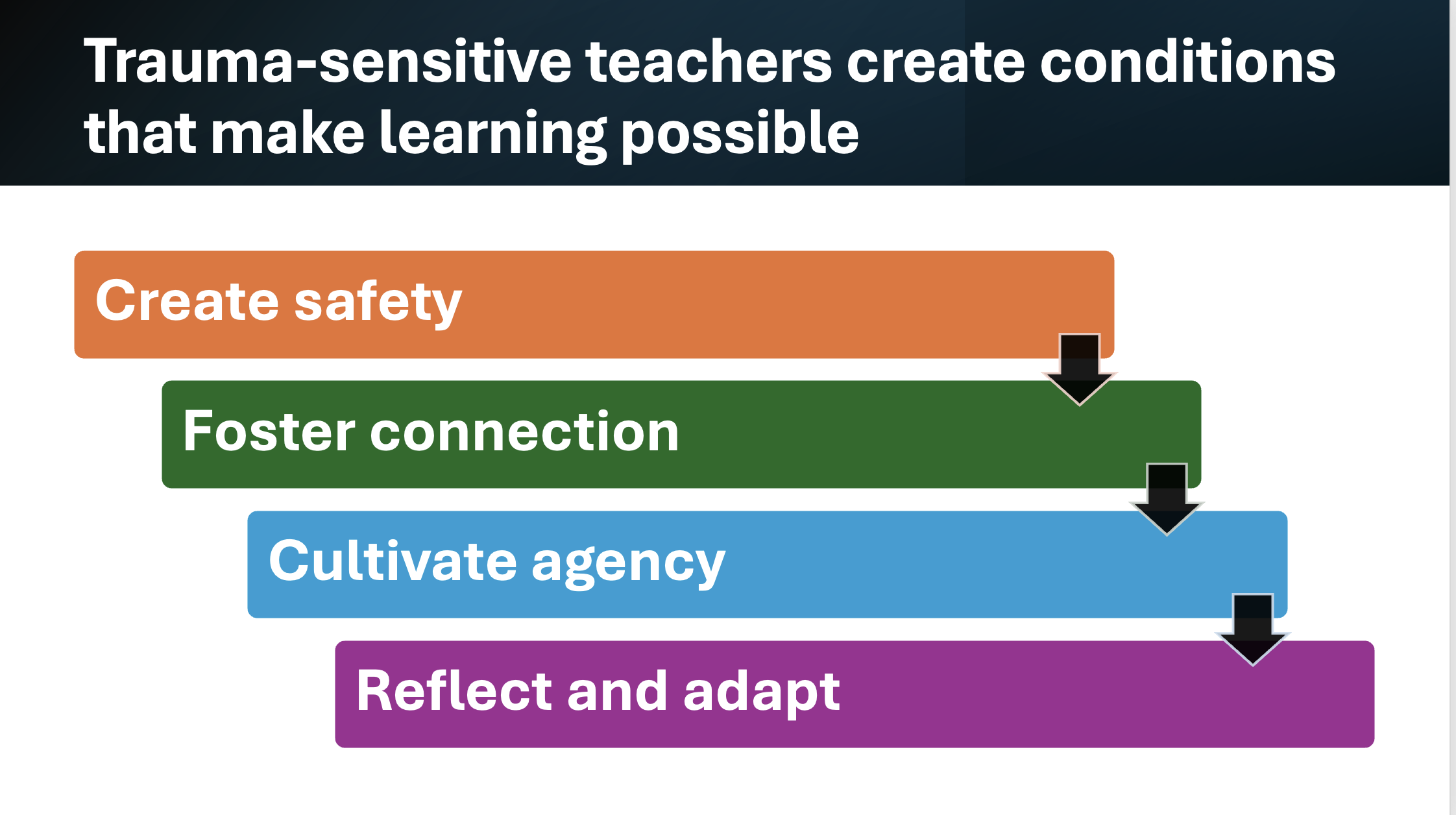
These practices are deeply interconnected. Predictability can create a sense of safety. Safety makes connection more possible. Connection can strengthen confidence and agency. And when we remain curious and reflective, we can continually adapt our practice to better support the learners in front of us.
Four interconnected practices provide a foundation for trauma-sensitive classrooms
#1: Create Safety & Predictability
“I know what to expect, and I know I belong here.”
Learners benefit from environments where expectations, routines, and boundaries are clear and consistent—and where they experience physical, emotional, and intellectual safety. Predictability does not mean rigidity. It means creating enough stability for learners to know what to expect while maintaining the flexibility to respond to individual needs.
#2 Cultivate Connection & Confidence
“I can take risks, make mistakes, and keep learning.”
Learning is relational. Students are more likely to engage, persist, and take risks when they experience meaningful relationships with educators and peers. Connection communicates: You are seen. You are valued. You are capable. Over time, these experiences can nurture the confidence and resilience learners need to approach challenges as opportunities for growth.
#3 Center Voice, Identity & Agency
“My language, culture, experiences, and ideas matter.”
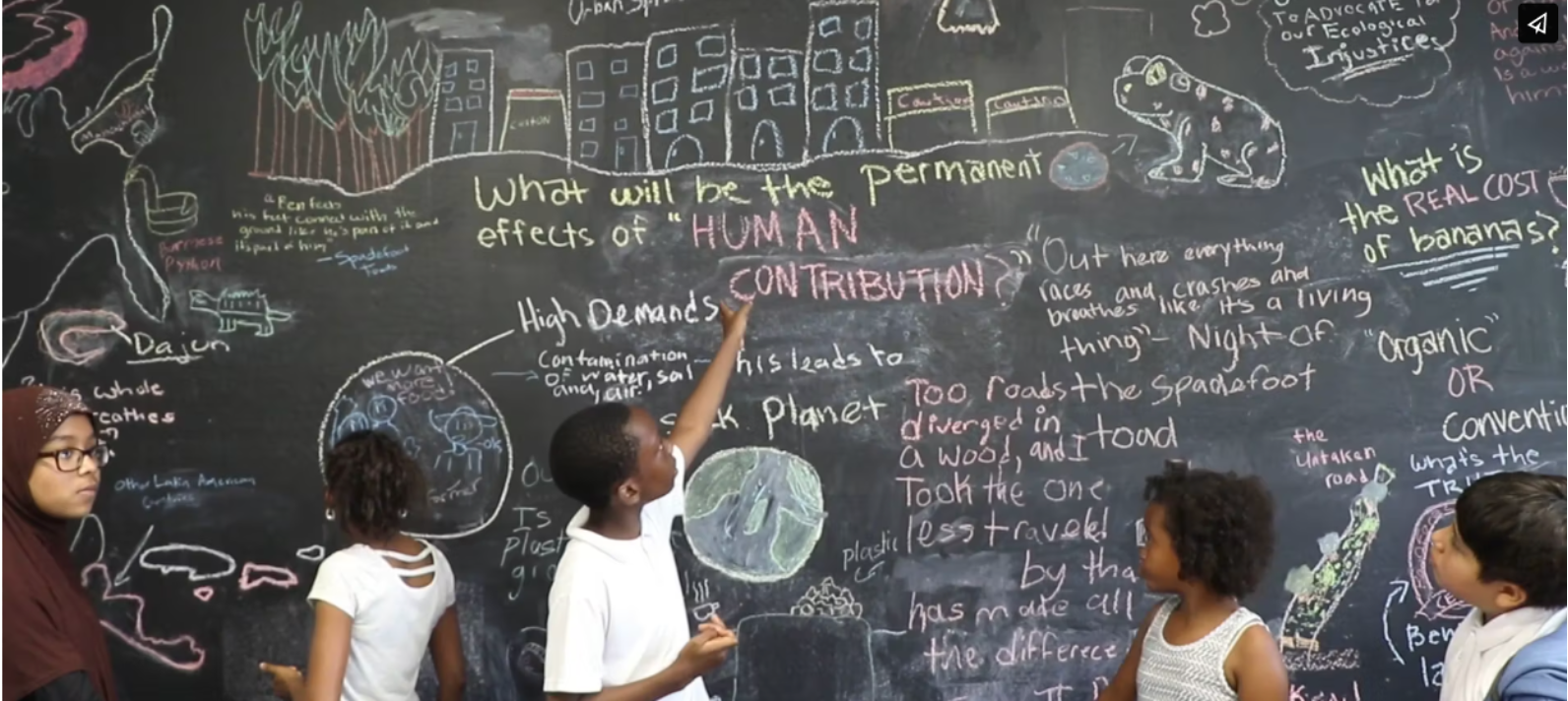
Learners need opportunities to see themselves reflected in their learning and to influence what and how they learn. Centering student voice means more than giving students a choice or asking for their opinions. It means recognizing learners as knowledgeable participants whose identities, experiences, languages, cultures, questions, and ideas contribute to the learning community. Agency grows when learners experience themselves not simply as recipients of knowledge, but as people who can shape their learning and their world.
#4 Reflect, Notice & Adapt
“I stay curious about my learners—and about my own practice.”
Trauma-sensitive teaching requires ongoing reflection. Rather than making assumptions about why a learner is behaving in a particular way, we can pause and ask, What might this learner be communicating? What might I be missing? We can examine whose voices are heard, whose perspectives are valued, and how our expectations, interactions, feedback, and responses to behavior may affect different learners. Reflection invites us to remain curious, learn from students and colleagues, and adapt our practice accordingly.

A Trauma-Sensitive Lens
Together, these practices shift our focus from asking, “What is wrong with this learner?” to asking, “What conditions might help this learner feel safe, connected, capable, and heard?”
Importantly, trauma-sensitive teaching is not about identifying which students have experienced trauma or attempting to diagnose or treat trauma in the classroom. Rather, it is about creating learning environments that are responsive to the needs of all learners. When we build classrooms characterized by safety, connection, agency, and responsiveness, we create conditions in which students can take intellectual risks, build relationships, make mistakes, and engage more fully in learning.
That shift matters. It moves trauma-sensitive teaching away from a deficit-oriented response to individual students and toward a proactive commitment to creating learning environments in which all learners can belong, participate, take risks, and flourish.
The blogs that follow explore each of these four practices in greater depth, offering concrete strategies for translating trauma-sensitive principles into everyday teaching and learning.
Want to learn more?
Check out the Lesley Institute for Trauma Sensitivity’s courses on the Impact of Trauma on Learning!